


Embracing Instincts: How Animal Parenting Lessons Can Enhance Human Child Rearing
Parenting is as old as time, yet it remains an ever-evolving journey shared across countless species. From the nurturing care of a lioness to the playful engagement of dolphins, the animal kingdom offers a multitude of parenting styles that can provide unique insights into our own human methods. In this blog post, we explore how embracing instincts and lessons from animal parenting can enhance human child rearing, providing a natural, instinctual approach to raising resilient, confident children.
Introduction to Animal Parenting Lessons
Human beings, despite all the technological advancements and accumulated knowledge, still face numerous challenges and doubts when it comes to parenting. Interestingly, observing our fellow beings in the animal world can offer refreshing perspectives that can simplify and enrich our approach to child-rearing.
Animals rely heavily on instinctual behaviors when raising their young, which ensures their offspring’s survival and ability to thrive in their respective environments. By observing these practices, humans can learn to tap into their own instincts more effectively, potentially leading to a more intuitive and natural style of parenting.
Key Lessons from Animal Parents
Consistency and Structure: One of the primary lessons from animal parenting is the importance of consistency and structure. For instance, wolf packs operate within a well-defined hierarchy that determines feeding, play, and social interaction. This clear structure helps young wolves understand their environment and expectations, which is something that can be beneficially applied to human child rearing. Establishing routines and consistent rules helps children feel secure and aids in their cognitive and social development.
Teaching Through Play: Dolphins are renowned for their intelligence and social skills, aspects that are imparted through vigorous play sessions between calves and adults. Play is not only a means of fun but also a vital educational tool that helps in developing motor skills, problem-solving abilities, and social interaction. Humans can embrace this by incorporating more play-based learning, which has been shown to boost academic outcomes and emotional intelligence in children.
Protection and Independence: Birds such as eagles and hawks exemplify the delicate balance between protection and fostering independence. They keep a close watch on their fledglings and provide food; however, they encourage attempts at flying, which is risky yet essential. For humans, this translates to the concept of “helicopter” vs. “free-range” parenting. Striking a balance that allows children the freedom to explore and make mistakes, while knowing safety nets exist, can promote self-confidence and adaptability.
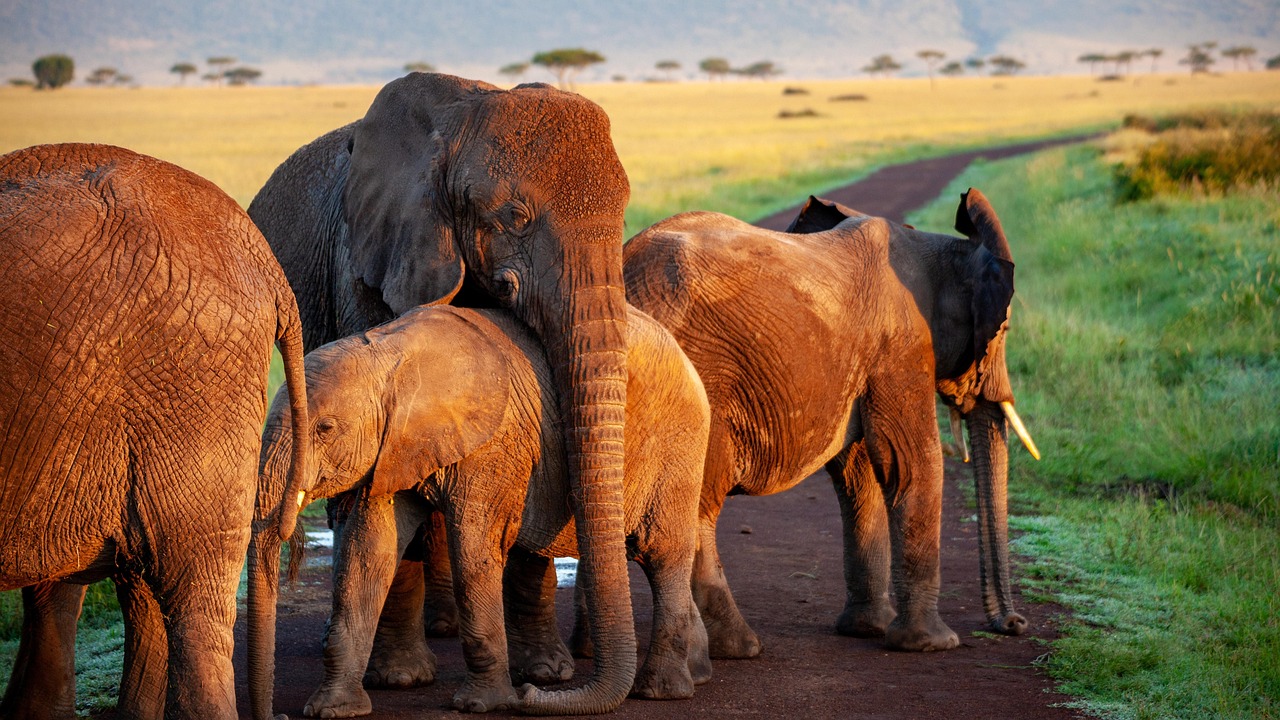
Emotional Connectivity: Elephants are a prime example of emotional intelligence in the animal kingdom, demonstrating deep familial bonds and collective care for the herd’s young. Human child rearing can benefit from a similar emphasis on emotional connectivity, teaching children to value relationships, empathize with others, and express their feelings in a healthy manner.
FAQ on Embracing Instincts: How Animal Parenting Lessons Can Enhance Human Child Rearing
Q1: How can observing animals help improve my parenting skills?
Observing animals can spotlight instinctual practices that might not be as prominent in human parenting discourse, such as the importance of play, natural consequences, and non-verbal communication.
Q2: Aren’t human beings too complex to learn parenting from animals?
While humans possess complex societal structures and cognitive abilities, the foundational needs for security, learning, social interaction, and independence are quite similar across species. Animal parenting strategies often address these fundamental aspects effectively.
Q3: Can incorporating animal lessons in human parenting aid in child development?
Definitely. Integrating these natural, instinctive strategies can help in developing well-rounded individuals by promoting an environment where children can thrive emotionally, socially, and intellectually.
Q4: Is there a risk of oversimplifying human parenting by comparing it with animal parenting?
It’s important to use animal parenting as an inspiration rather than a strict guideline. Each child and family is unique, and while animal instincts can provide a base, human parenting also requires adapting to complex emotional and societal demands.
Conclusion on Embracing Instincts: How Animal Parenting Lessons Can Enhance Human Child Rearing
Embracing instincts and learning from our animal counterparts can open new avenues in child rearing that are instinctual, natural, and profoundly effective. While human societies are layered with complexities, the core of parenting remains nurturing, teaching, and preparing our young for the world. By observing and integrating lessons from the animal kingdom, we can potentially foster a more intuitive, robust approach to raising our children.
By embracing instincts and the wisdom imparted through nature, we can enhance how we raise our children, making the journey of parenting not only effective but also more joyful and inherently fulfilling. This fusion of natural instincts with conscious, thoughtful parenting could indeed be the blueprint for raising well-adjusted, resilient future generations.