

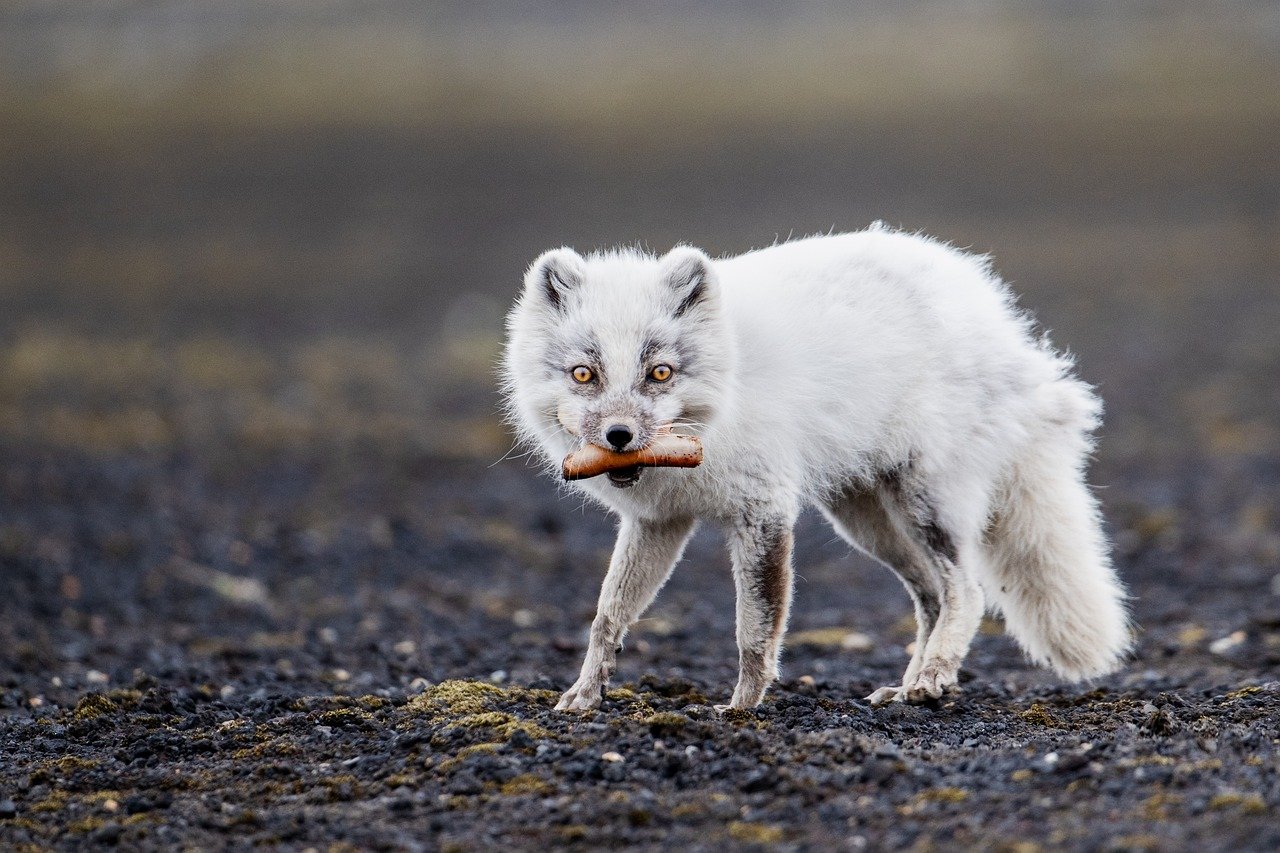
Unleashing the Wild Within: How Survival Instincts Shape Animal Behavior
Introduction
Picture a serene savannah, its vast expanse stretching beyond the horizon, or deep, mysterious forests whispering ancient secrets through their age-old trees. In these wild landscapes and countless others, a primal narrative unfolds, featuring animals whose behaviors are guided by a powerful director—survival instinct. In this blog, we dive deep into understanding “Unleashing the Wild Within: How Survival Instincts Shape Animal Behavior,” exploring the innate mechanisms that govern the lives of animals and illustrating how these instincts not only drive but also define the natural world.
Unveiling the Mechanisms of Survival
Animals are equipped with a set of survival instincts that are crucial for their existence. These instincts are deeply embedded behavioral cues that help animals react to their environment, protect themselves from predators, find food, and breed. At the heart of these behaviors is the evolutionary drive to survive and reproduce, which has honed the skills and responses of wild creatures to their surroundings over millennia.
One of the most fascinating aspects of animal behavior shaped by survival instincts is the fight-or-flight response. When faced with a threat, animals must quickly decide whether to stand their ground and confront their adversary or to flee and live another day. This rapid assessment and reaction are vital for survival, allowing animals to elude predators or dominate territorial disputes.
Mirroring Natural Patterns in Animal Kingdom
Survival instincts also guide more complex behaviors such as migration, mating rituals, and social hierarchy formation. For example, the great wildebeest migration across the Serengeti is an epic spectacle driven by the instinct to seek fresher grazing grounds and water, a journey fraught with peril at every turn. Similarly, elaborate mating dances and displays in species like peacocks or birds of paradise are driven by reproductive instincts, where the most impressive display aimed at ensuring the propagation of one’s genes.
Social structures in animal communities, such as the pack dynamics of wolves or the matriarchal herds of elephants, are also sculpted by survival instincts. Leadership and social ranks within these groups ensure that the community functions efficiently, enhancing the survival chances of group members.
How Instincts Influence Adaptability
The role of survival instincts in animal behavior extends to adaptability, which allows animals to respond to environmental changes. This can include alterations in habitat, shifts in climate, or changes in the availability of food resources. For instance, some fox species have developed the ability to navigate urban environments effectively, showcasing a remarkable adaptability driven by the instinctual need to find food and secure safe dwellings.
Harnessing Earth’s Rhythms: Seasonal and Diurnal Patterns
Survival instincts are not only about responding to immediate threats but also about adapting to the Earth’s rhythms. Seasonal changes dictate behavioral patterns for many species, influencing hibernation, breeding, and migration. Diurnal patterns, or activity tied to day-night cycles, also play a crucial role. Nighttime predators such as owls and leopards rely on their nocturnal instincts to hunt under the cover of darkness, using their keen senses to track prey.
FAQs about Unleashing the Wild Within: How Survival Instincts Shape Animal Behavior
- What are survival instincts?
- Survival instincts are innate, often involuntary behaviors that drive animals to react to various situations in ways that maximize their chances of survival and reproduction.
- Can survival instincts evolve over time?
- Yes, survival instincts can evolve. As environmental conditions and ecosystems change, animals may develop new behaviors or modify existing ones to better adapt to their altered surroundings.
- How do survival instincts affect an animal’s lifespan?
- Effective survival instincts enhance an animal’s ability to avoid predators, find food, and reproduce, all of which contribute to a longer and healthier life.
- What role does human interaction play in shaping animal behavior?
- Human activity can significantly impact animal behavior, often necessitating new survival strategies. Urbanization, for example, forces many animal species to adapt to living in close proximity to human populations.
Conclusion: Embracing the Essence of Instinctual Life
Understanding “Unleashing the Wild Within: How Survival Instincts Shape Animal Behavior” offers more than just insight into animal actions. It provides a reflection of the broader ecological balances and emphasizes the adaptability and resilience of life. As we delve into the marvels of the animal kingdom, we are constantly reminded of the intricate dance between instinct, survival, and the environment—a dance that, despite humanity’s expansive influence, continues unabated in the heart of the wild.