


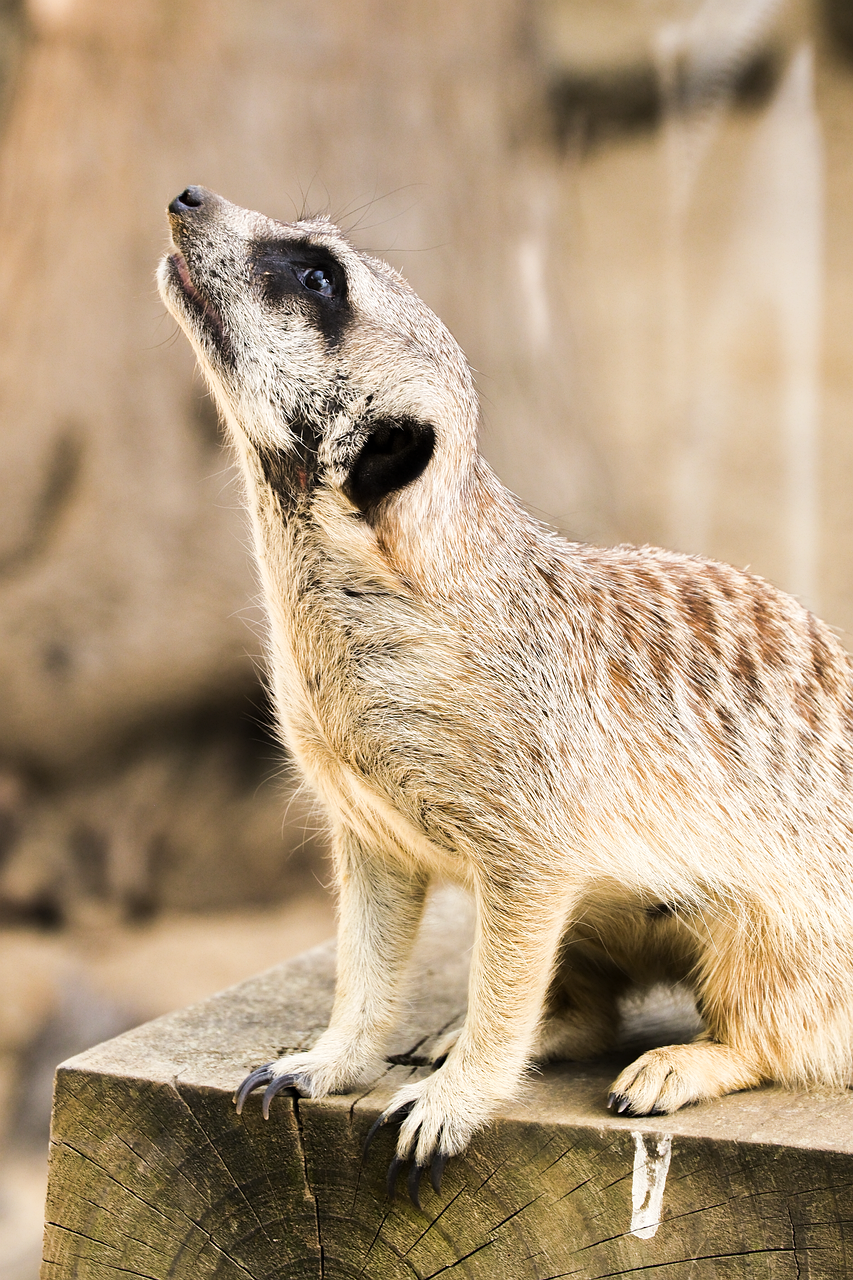
Mastering the Wild: Unveiling Animal Strategies for Survival
In the grand, untamed expanses of our planet, every animal stands as a testament to nature’s ingenuity and the relentless pursuit of survival. Mastering the Wild: Unveiling Animal Strategies for Survival provides a fascinating glimpse into the lives of creatures big and small, revealing the intricate, often ingenious ways they have adapted to their environments. Let’s dive into the wild and explore how these survival champions make it through each day, come rain or shine, predator or prey.
Introduction to Animal Survival Tactics
Survival in the wild is no easy feat. It requires strength, cunning, adaptability, and a deep-seated instinct for endurance. Every habitat on Earth, from the scorching deserts to the icy tundras, is home to species that have mastered the art of survival. These strategies can be as diverse as the environments themselves, showcasing the versatility and resilience of life.
Camouflage: The Art of Hiding
One primary survival strategy employed by many species is camouflage. The ability to blend into one’s environment is crucial for both predators and prey. For instance, the Arctic fox uses its white coat to blend into the snowy environment, effectively eluding predators and sneaking up on prey. Similarly, the leaf-tailed gecko uses its foliage-like appearance to remain undetected in the dense jungles of Madagascar.
Mimicry: The Power of Deception
Some animals take camouflage to the next level with mimicry, where they not only blend in but actively imitate the appearance or behavior of other, more dangerous creatures. The harmless king snake, for example, mimics the coloration of the deadly coral snake, a strategy that deters potential predators. This form of deception is a brilliant testament to the complexity of survival strategies in the wild.
Social Structures: Strength in Numbers
In the vast savannas of Africa, where predators and prey play a high-stakes game of life and death, social structures are critical. Elephants, for instance, live in tightly knit family groups that protect the young, sick, and old. Wolves hunt in packs, relying on their numbers and coordinated strategies to take down much larger animals.
Hibernation and Migration: Seasonal Survival Tactics
Some animals have mastered the art of seasonal survival. Hibernation and migration are two strategies that allow animals to cope with harsh weather conditions and fluctuating food supplies. Bears, for example, hibernate through the winter, their bodies remarkably slowing down to conserve energy. Meanwhile, species like the monarch butterfly undertake monumental migrations to exploit warmer climates and abundant resources seasonally.
FAQs on Mastering the Wild: Unveiling Animal Strategies for Survival
What is the most unusual survival strategy in the animal kingdom?
Perhaps one of the most bizarre strategies is that of the hagfish, which expels copious amounts of slime to clog the jaws of would-be predators. This gooey defense mechanism is not only unique but extremely effective.
How do animals adapt to extreme environments?
Animals adapt through a variety of physical and behavioral modifications. For instance, camels have evolved to handle desert conditions by storing fat in their humps and having thick eyelashes to block sand. Conversely, snow leopards have developed thick fur and wide, fur-covered feet that act like natural snowshoes to survive in the cold mountains.
Can animals change their survival strategies?
Yes, some animals can modify their behaviors based on environmental cues or changes. For example, some primates have been observed to alter their tool use depending on the availability of resources, and birds often change their migration patterns in response to climatic changes.
Conclusion: The Never-Ending Dance of Survival
Mastering the Wild: Unveiling Animal Strategies for Survival opens up a world of extraordinary adaptations and survival tactics that highlight the resilience of life across our planet’s diverse ecosystems. These survival strategies form a complex web of interactions that ensure the balance of ecosystems, demonstrating not only the raw beauty of nature but also its intricate, interwoven patterns of life. As we continue to explore these strategies, we not only gain insight into the animal kingdom but can also derive valuable lessons on sustainability and resilience that can inform our own survival in an ever-changing world.
In summary, whether through the deceptive mimicry of the king snake or the social strategies of elephants, each survival technique developed by these animals paints a vivid picture of life’s tenacity and creativity. Mastering the Wild: Unveiling Animal Strategies for Survival is not just about understanding these methods—it’s about appreciating and preserving the delicate dance of life itself. As guardians of their habitats, we have much to learn from these masters of survival as we strive to protect and sustain the natural world.