

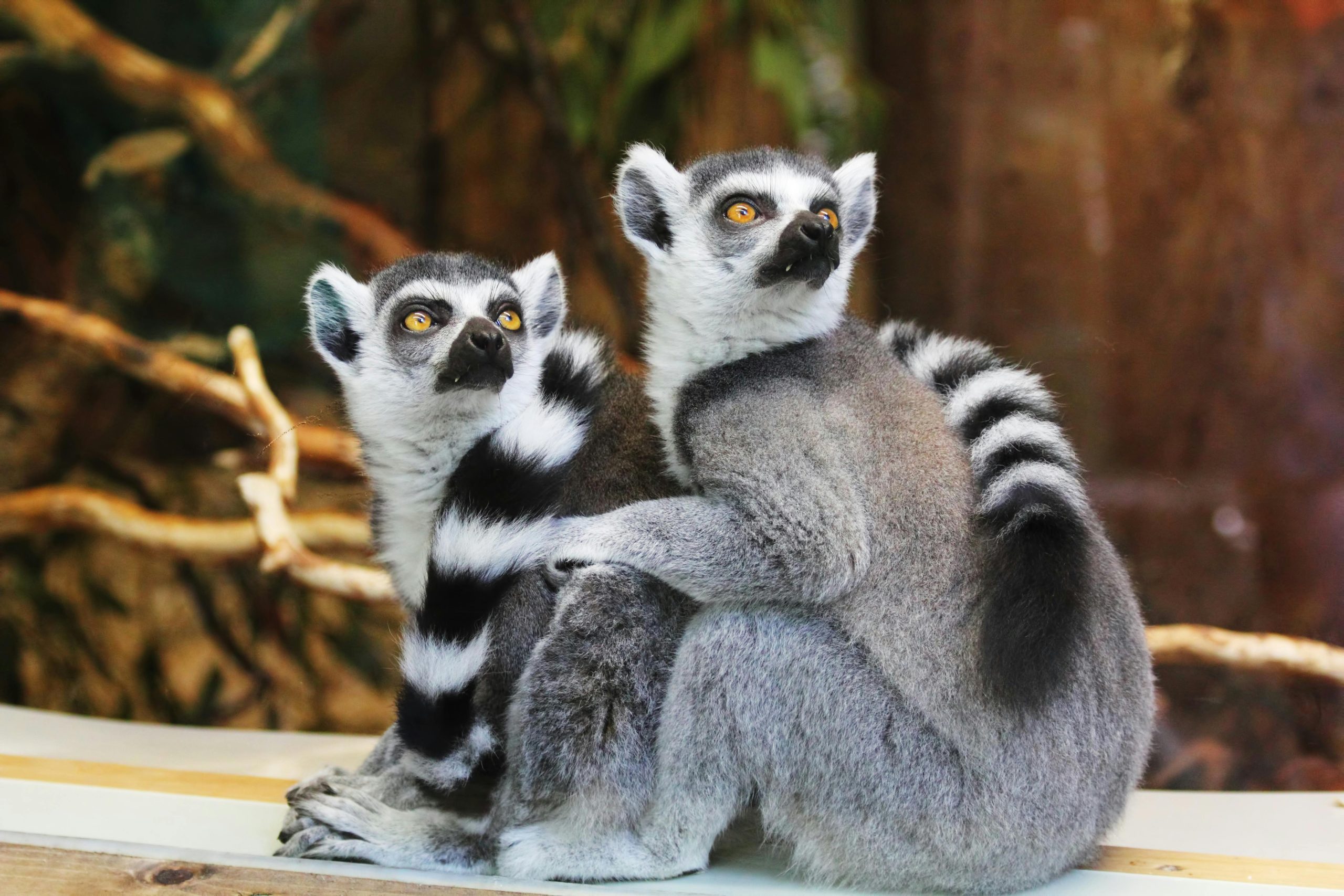
Embracing Resilience and Teamwork: Motivational Lessons from Animal Behavior
In the bustling world of constant change and challenges, embracing resilience and teamwork is not just beneficial, it’s essential. As we navigate through the complexities of life and work, we often look to various models for guidance on improving our adaptability and cooperative skills. Interestingly, one of the most inspiring sources of resilience and teamwork comes from the animal kingdom. Through this blog post, we’ll explore how motivational lessons from animal behavior can provide profound insights into fostering resilient teams and individuals.
The Incredible World of Animal Teamwork and Resilience
Animals, both in the wild and in more domestic settings, exhibit remarkable strategies for resilience and team dynamics. These behaviors aren’t just survival tactics but are evolved mechanisms that allow these creatures to thrive in often harsh and competitive environments.
1. The Wolf Pack: A Lesson in Hierarchical Teamwork
Wolves are known for their strict pack structure, which ensures efficient functioning and survival. Each member plays a specific role, from the leaders to the caregivers. This clear distribution of roles and responsibilities within a group teaches us the importance of understanding individual strengths and weaknesses in human teams and using them to achieve communal goals.
2. Ant Colonies: Masters of Task Allocation and Efficiency
Ants are phenomenal when it comes to task management and teamwork. Their ability to effectively divide tasks, communicate amongst themselves, and execute massive projects like building a nest or gathering food is something that can translate into better project management and allocation of roles within human teams.
3. Dolphins: Communicating to Collaborate
Known for their intelligence, dolphins communicate with sophisticated language, which helps them form alliances and work together for mutual benefits such as hunting and protection. From dolphins, we learn that effective communication is the cornerstone of successful collaboration and teamwork.
4. Elephants: Resilience Through Emotional Intelligence
Elephants are not only powerful beasts but also incredibly emotionally intelligent. They grieve, play, and show extraordinary care for their herd’s elders and calves. This high level of emotional intelligence fosters a resilient group dynamic that can overcome many challenges. Emulating this, understanding and addressing the emotional needs of team members can lead to a more resilient and supportive work environment.
The Impact of Resilience and Teamwork in Our Lives
Integrating resilience and teamwork into our personal and professional lives can lead to multiple benefits. Teams that mirror the diligence and unity of ants or the strategic hierarchy of wolves tend to be more efficient, productive, and generally more successful in achieving their objectives.
Moreover, resilient behaviors observed in animals, like the adaptability of birds or the problem-solving abilities of primates, inspire us to develop these traits within ourselves and our teams. Embracing resilience not only helps in coping with immediate setbacks but also prepares one for future challenges.
FAQs on Embracing Resilience and Teamwork: Motivational Lessons from Animal Behavior
Q1. How can leaders foster a wolf-pack type of hierarchy without promoting negative competition?
A developing positive hierarchy involves clear roles and open communication, ensuring all team members feel valued and understood. It’s about aligning skills with tasks and encouraging a supportive atmosphere.
Q2. Can the teamwork seen in animals be applied to virtual teams?
Absolutely! Principles like those seen in dolphin communication teach us that no matter the medium, effective sharing of information is key. Using technology to improve communication can help in emulating the tight-knit efficiency of cohorts like ant colonies or dolphin pods.
Q3. Are there any risks in applying animal behavior directly to human contexts?
Interpreting animal behavior for human application should be done carefully, considering the complex nature of human societies and individual personalities. It’s about drawing parallels and learning key lessons rather than adopting behaviors outright.
Conclusion
Embracing resilience and teamwork by observing motivational lessons from animal behavior is not just fascinating but immensely applicable. Whether it’s the strategic acumen of wolves, the efficiency of ants, the communicative brilliance of dolphins, or the emotional intelligence of elephants, each offers valuable insights into improving our own resilience and cooperation.
Incorporating these lessons can lead to more cohesive, supportive, and effective teams and individuals prepared to face the modern world’s demands. So the next time you’re looking to boost your team’s spirit or resilience, remember that sometimes, the best inspiration comes from our co-inhabitants of Earth—the animals.
By studying and embracing the interconnectedness of all life forms and their behaviors, we unlock a treasure trove of wisdom waiting to be applied, transforming both our personal lives and our workplace environments into thriving ecosystems of success and satisfaction.