


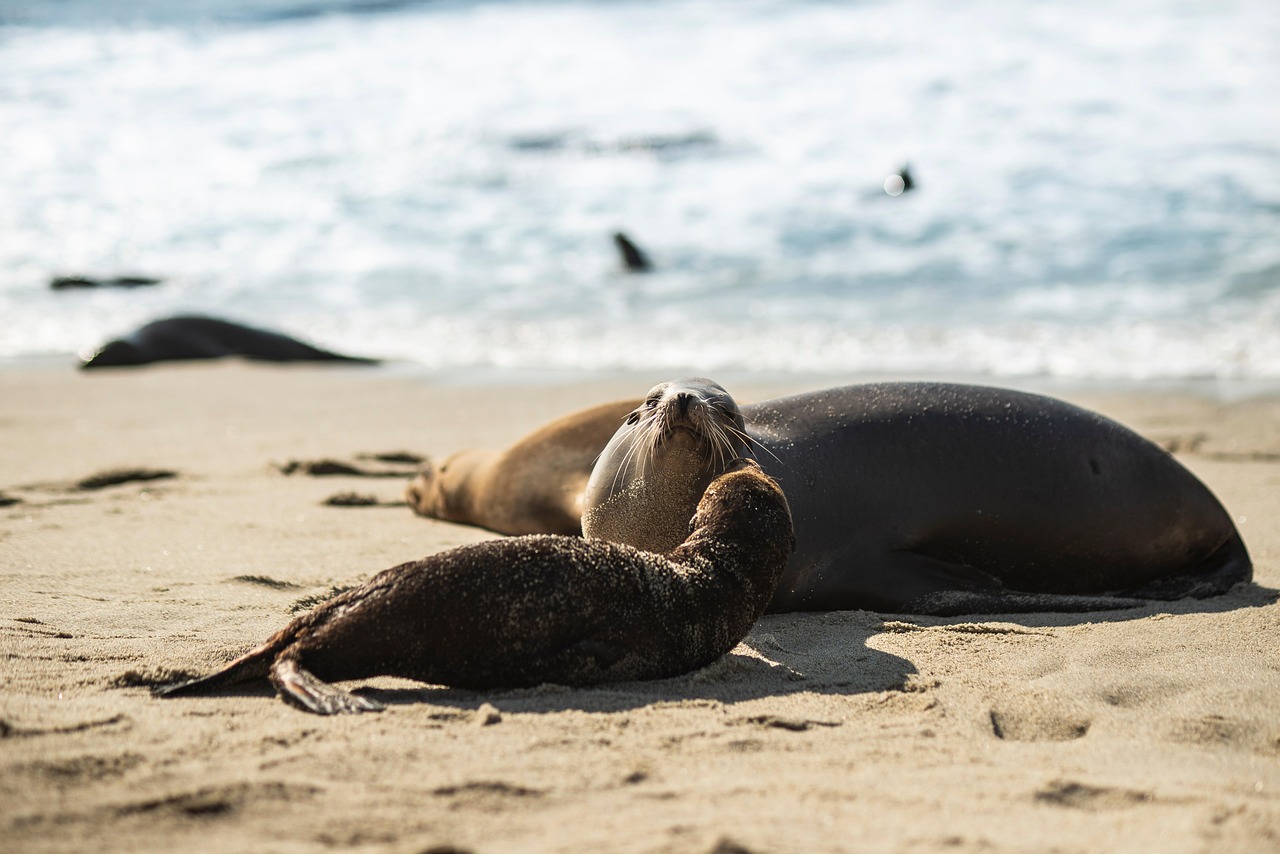
Teamwork Lessons from Animals: Insights for Collaborative Success in the Workplace
Teamwork is not just a human endeavor. In the wild, many species rely on effective collaboration to survive and thrive. From ants to zebras, animals demonstrate awe-inspiring teamwork, which can offer valuable lessons for collaborative success in the workplace. By examining nature’s strategies for cooperation, we can uncover insights that improve our organizational dynamics, enhance productivity, and foster a supportive work environment.
Introduction to Teamwork in Nature and Its Relevance to the Workplace
Animals in their natural habitats are compelling role models for seamless teamwork. Whether it’s strategically hunting, evading predators, or adapting to challenging environments, these creatures must execute tasks with impeccable coordination and trust in each other. Such instinctual collaboration can inspire us to refine our approach to teamwork in professional settings. In this article, we explore how lessons from various animal groups provide essential tips for collaborative success in the workplace, fostering an atmosphere where teamwork and mutual support drive success.
Ants: The Ultimate Team Players
Ants are famously known for their structured society where each member plays a specific role that benefits the collective. Workers gather food, soldiers defend the nest, and queens lay the groundwork for the colony’s future. Lesson for the Workplace: Like ants, each team member in an organization has unique strengths and roles that are crucial for the project’s success. Recognizing and valuing these diverse roles enhances harmony and efficiency. Emphasize clear roles and responsibilities in your teams to ensure everyone knows what is expected of them and how they contribute to the collective goals.
Geese: Masters of Aerodynamic Teamwork
When geese fly in a V-formation, each bird flaps its wings to reduce air resistance for the one behind it, improving the overall energy efficiency of the flock. When the leader tires, it rotates back, and another goose takes the lead. Lesson for the Workplace: Sharing leadership in projects can prevent burnout and encourage all members to contribute their strengths. Much like geese, effective teams in the workplace benefit when leadership roles are fluid and adaptable, depending on the task at hand.
Wolves: Strategic Communicators
Wolves hunt in packs with a clear strategy involving roles that each wolf fulfills to trap their prey effectively. Communication is silent yet incredibly efficient through body movements and positioning. Lesson for the Workplace: In the workplace, communication is key to achieving goals. Teams should focus on developing non-verbal communication skills and clear, concise verbal exchanges. Encouraging open lines of communication and regular check-ins can prevent misunderstandings and keep team objectives on track.
Dolphins: Creating Bonds Through Play
Dolphins are well known for their playful behavior, which is not just for entertainment but also strengthens social bonds and teaches young dolphins survival skills. Lesson for the Workplace: Incorporating an element of fun and play can enhance team bonding and make the workplace less stressful. Outings, team-building activities, and occasional downtime foster a supportive atmosphere that can translate into better collaborative success.
Bees: Efficient Decision-Makers
Honeybees make decisions collectively when they choose a new hive location. Scout bees survey potential sites, return to the hive, and perform dances to “vote” on the site’s suitability, leading to a consensus-driven decision on the best location. Lesson for the Workplace: Like bees, effective teams should embrace collective decision-making where possible. This approach ensures that diverse perspectives are considered, leading to well-rounded and robust solutions.
FAQs on Teamwork Lessons from Animals
Q1: How can we implement animal teamwork strategies in a competitive work environment?
A1: Focus on the common goals and foster an environment of mutual benefit. Highlighting each employee’s vital role and encouraging peer appreciation can reduce competitiveness and increase collaborative efforts.
Q2: Are there specific team-building activities that can help in learning from animal teamwork?
A2: Yes, activities that simulate animal behaviors, such as role-playing different team roles (like ants) or organizing relay races that require collective effort (like geese), can provide practical insights into effective teamwork.
Q3: Can these animal strategies be applied to remote teams?
A3: Absolutely! Tools and technology can help replicate the seamless communication and structured roles seen in animal groups. Regular virtual check-ins and well-defined digital workflows can adapt these lessons for remote settings.
Conclusion: Embrace Nature’s Teamwork Lessons for Workplace Success
The animal kingdom holds profound lessons for human collaborative efforts. By observing and integrating the teamwork strategies of ants, geese, wolves, dolphins, and bees, we can enhance our workplace dynamics. These natural strategies emphasize clear communication, shared responsibilities, the importance of bonding, and effective decision-making. By fostering an environment where teamwork is as instinctual as it is in the wild, businesses can achieve better cohesion and success. Channel your inner wildlife observer and turn your workspace into a thriving environment for collaborative success, inspired by the masters of teamwork in nature.