


Overcoming Fear: Lessons from Animals That Teach Us Courage and Resilience
Fear is a fundamental emotion that affects not only humans but all animals. It acts as a survival mechanism, warning us of potential dangers and preparing us to deal with them. However, whereas we often tend to dwell on our fears, animals handle fear with incredible courage and resilience. By examining their behavior, we can learn valuable lessons on how to manage our own fears more effectively.
Introduction: Why Animals?
Animals are magnificent teachers. From the tiniest ant to the largest whale, each has adapted strategies that enable them to survive and thrive in harsh environments. Understanding how they face everyday threats can provide us with impactful insights into overcoming fear. This brings us to our focal point, “Overcoming Fear: Lessons from Animals That Teach Us Courage and Resilience.”
1. Observe and React – The Wild Gazelle
Take the example of a gazelle in the African savannah. Gazelles are constantly under threat from predators, yet they live in the moment, grazing peacefully until danger appears. The moment they sense a threat, gazelles analyze it and react rapidly. If danger is deemed imminent, they run at astonishing speeds. Their lesson is clear: assess the situation and react accordingly without succumbing to paralysis by fear.
2. Adaptation – The Chameleon
Chameleons, famous for their color-changing ability, teach us a lot about adaptation. They adjust their colors depending on the environment to either camouflage themselves from predators or to regulate their temperatures. This ability to adapt seamlessly to different situations is a powerful strategy in handling fear. When feeling threatened, adapting our methods to deal with the situation can sometimes be the best form of defence.
3. Teamwork – The Wolf Pack
Wolves are pack animals by nature. Their strength often lies in their numbers and their intricate method of social cooperation. They hunt in packs, which increases their success rate in catching prey and provides protection. This understanding that there is strength in unity can be translated into human experiences with fear. Sometimes, relying on the support and help of others can help navigate through difficult times.
4. Perseverance – The Honeybee
While a single bee might appear insignificant, it plays an essential part in the survival of its hive. Despite their size, honeybees will bravely defend their hive from intruders many times their size. This fearless defense despite apparent disadvantages shows the power of perseverance and courage. In human terms, it teaches us that no matter how insurmountable our fears may seem, persistence and courage can lead to surprising victories.
FAQs About Learning from Animals to Overcome Fear
Q: How can observing animals help us comprehend fear better?
A: Animals react to fear without overthinking, which often provides a purer response to analyzing and dealing with threats. Observing these reactions can help us strip down our own processed responses to fear and deal with it more effectively.
Q: Can the resilience of animals be really applied to human fears?
A: Absolutely! While the context might differ vastly, the core principles of courage, quick thinking, teamwork, persistence, and adaptability are universal. Applying these principles can enhance how we handle our fears.
Q: Are there specific animals that symbolize overcoming fear?
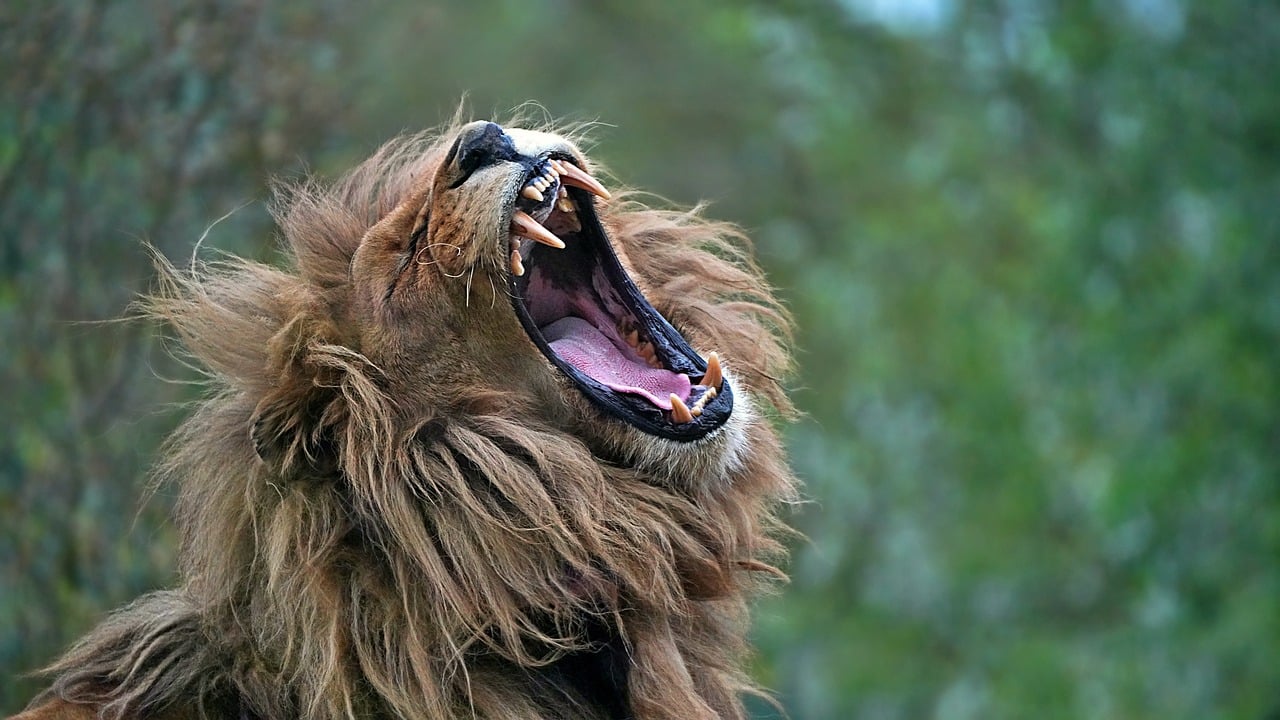
A: Various cultures symbolize different animals with fearlessness. For instance, lions are often viewed as symbols of strength and courage across many cultures. Similarly, elephants represent resilience and formidable fortitude.
Conclusion: Embracing Animal Wisdom
“Overcoming Fear: Lessons from Animals That Teach Us Courage and Resilience” isn’t just about observing; it’s about integrating these lessons into our daily lives. Whether it’s the gazelle’s alertness, the chameleon’s adaptability, the teamwork evident in a wolf pack, or the perseverance of a honeybee, each holds a key to managing our fears. When we choose to learn from these natural instructors, we enhance our own capacity to deal with life’s fears with a renewed perspective and strengthened resolve.
In conclusion, while fear will invariably be part of our lives, it does not have to dominate it. Let us take a leaf from our animal counterparts and handle fear with more courage, resilience, and astuteness. Embrace these lessons from nature and face life’s challenges not just to survive, but to thrive.