

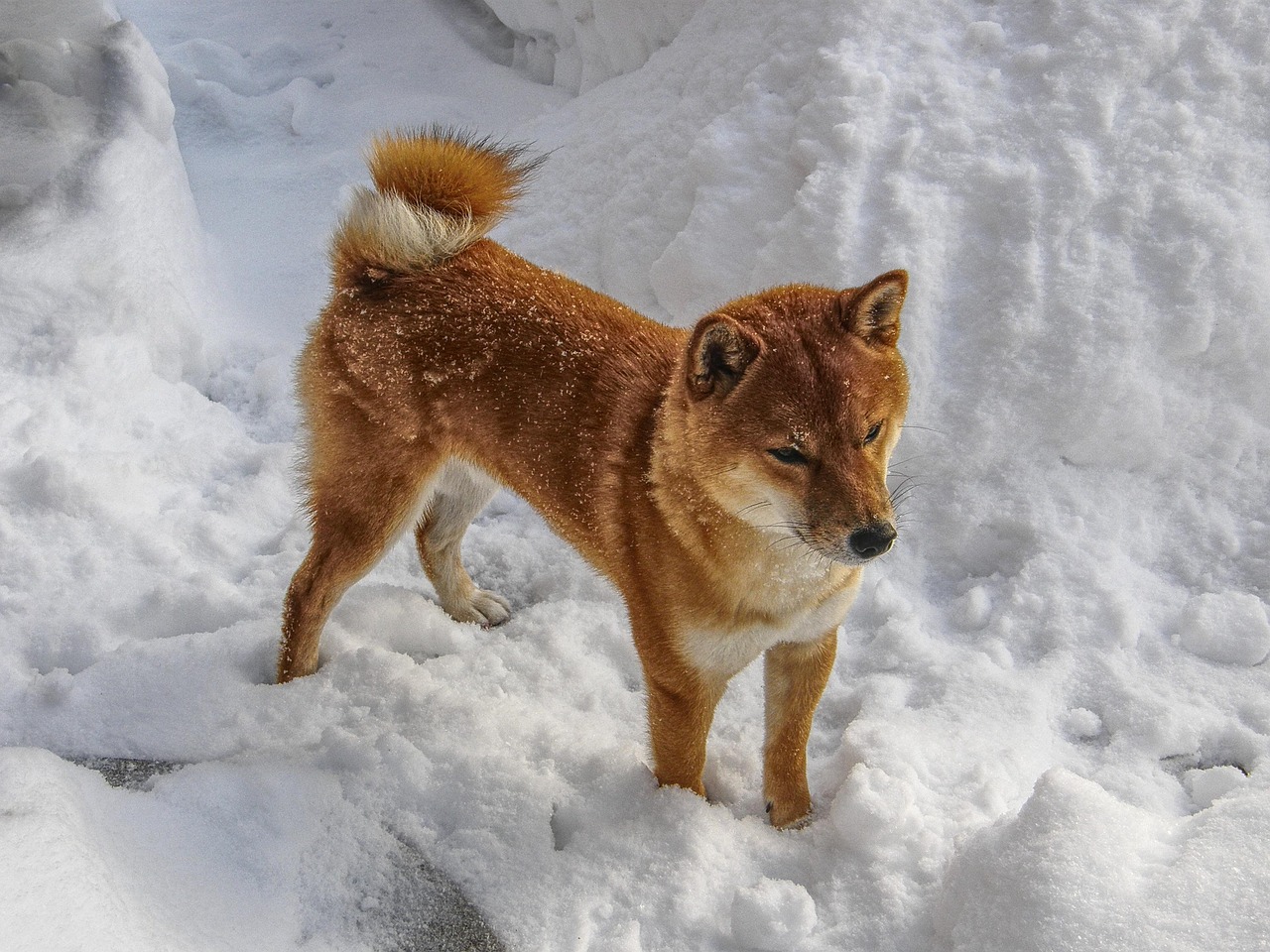
Exploring Nature’s Studio: Unleashing Creativity Through Lessons from Animals
Introduction
In the vast canvas of the natural world, every tree, stone, and creature plays a part in a magnificent tapestry that can teach us more than just survival – it can spark our creative spirits in ways we rarely acknowledge. Welcome to “Exploring Nature’s Studio: Unleashing Creativity Through Lessons from Animals,” where we dive into how animal behaviors and natural ecosystems can inspire our artistic endeavors and problem-solving techniques. Nature is not just a source of inspiration but also a teacher of innovative strategies and designs.
The Creative Classroom of Nature
Nature has always been a central theme in art, philosophy, and science, reflecting its deep impact on human creativity and ingenuity. From Leonardo da Vinci drawing inspiration from birds for his flying machines to contemporary biomimicry innovations, such as Velcro inspired by plant burrs, the natural world offers a wealth of ideas. In “Exploring Nature’s Studio: Unleashing Creativity Through Lessons from Animals,” we see that by observing and understanding wildlife, we can unlock a new dimension of creativity.
Learning from the Masters: Animal Kingdom
- Problem Solving with Crows:
Crows are renowned for their problem-solving abilities. Researchers have observed crows using twigs to fish out grubs from logs or bending wires to reach food. What if we take a leaf out of their book when tackling problems? Imagine approaching challenges with the mindset of a crow, using whatever tools and resources are at our disposal to innovate and create solutions. - Group Innovation: Lessons from Wolves:
Wolves hunt in packs, using complex communication and strategic roles to track and hunt prey efficiently. This sparks a question about our creative projects — How effectively do we work in teams? Are we incorporating each team member’s unique strengths? Exploring Nature’s Studio emphasizes the importance of collaborative creativity and how it can lead to superior outcomes. - Adaptability from Chameleons:
Chameleons are fascinating not just because they can change color, but also because they adapt to their environment incredibly well. Creativity often requires adaptability—altering concepts to better fit new requirements or shifting perspectives entirely. Chameleons teach us about versatile thinking and the ability to adjust ideas to suit different needs and environments. - Efficiency and Design Inspired by Bees:
The hexagonal cells of a beehive are a perfect example of efficiency in design. This natural architecture not only maximizes space but also builds with the minimum of materials. “Exploring Nature’s Studio: Unleashing Creativity Through Lessons from Animals” can lead us to think about how efficiency can be incorporated into our designs, whether in architecture, software engineering, or everyday problem-solving. - Persistence and Innovation with Beavers:
Beavers are nature’s engineers, building dams that change entire ecosystems. Their persistent nature and problem-solving through building and rebuilding can teach us about resilience and innovation in the face of obstacles. By channeling our inner beaver, we might find new ways to overcome barriers in our projects.
FAQs:
- How can observing animal behavior enhance creativity in humans?
By studying how animals solve problems, communicate, and use their environment, humans can adapt these strategies to enhance creativity and innovation. Animals tackle survival challenges daily, offering us a playbook on overcoming obstacles and innovating under constraints. - Can lessons from animals be applied to team management and leadership?
Absolutely! Pack animals like wolves demonstrate the power of effective communication and role distribution. Observing such dynamics can provide valuable insights into team management, promoting a harmonious and efficient working environment. - Are these lessons applicable in tech and digital environments?
Yes, the principles of adaptation, efficiency, and problem-solving are universal. For instance, the streamlined and efficient design inspired by a beehive can influence how we optimize data storage or improve user interfaces. - What are the benefits of incorporating nature into regular creative practice?
Nature helps recalibrate our minds. It reduces stress, enhances mood, and broadens our perspective, all of which are beneficial for creative thinking. Regularly engaging with nature can refresh our thinking patterns and spark new ideas.
Conclusion
In “Exploring Nature’s Studio: Unleashing Creativity Through Lessons from Animals,” we uncover that the animal kingdom is not only about survival of the fittest but is also a reservoir of inspiration and ingenious solutions. Whether you’re a designer, artist, engineer, or writer, the animal kingdom offers a plethora of lessons waiting to be discovered and applied. So next time you find yourself stuck on a problem, take a walk outside, observe the local wildlife, and let nature’s silent teachers guide your creative journey. The studio of nature is always open, offering endless cues for those willing to learn from it.
By fostering a deeper connection with nature and its inhabitants, we open ourselves to a world where creativity is as wild and boundless as the wilderness itself.