


Unveiling the Secrets of Survival: How Animal Instincts Ensure Their Safety
Introduction:
In the intricate dance of nature, every creature plays a pivotal role in maintaining ecological balance. A key element to their enduring presence on this planet is their inherent ability to survive against all odds. Unveiling the secrets of survival: How animal instincts ensure their safety offers a fascinating glimpse into the intuitive behaviors and survival strategies that animals deploy. From the deep forests to bustling cities, understanding these instincts not only deepens our appreciation of the natural world but also helps us relate to our own primal instincts of survival.
Understanding Animal Instincts:
Animal instincts are intrinsic, unlearned behaviors that are triggered by environmental stimuli. These instincts are critical as they ensure an animal’s survival and reproductive success. Instinctive actions can range from complex migration patterns to immediate reactions like fight or flight responses. As we delve deeper into this topic, we explore how these instincts operate and the remarkable ways through which animals ensure their safety.
Migratory Marvels:
Many species, such as birds, whales, and caribou, exhibit migratory behavior, an extraordinary survival instinct that involves moving from one habitat to another during different seasons. This instinct, dictated by environmental cues and genetic wiring, ensures access to abundant resources and safe breeding grounds, minimizing ecological competition and predation. For instance, monarch butterflies’ migration spanning multiple generations is a phenomenal display of survival, navigating vast distances from North America to Mexico to escape the cold.
Camouflage and Concealment:
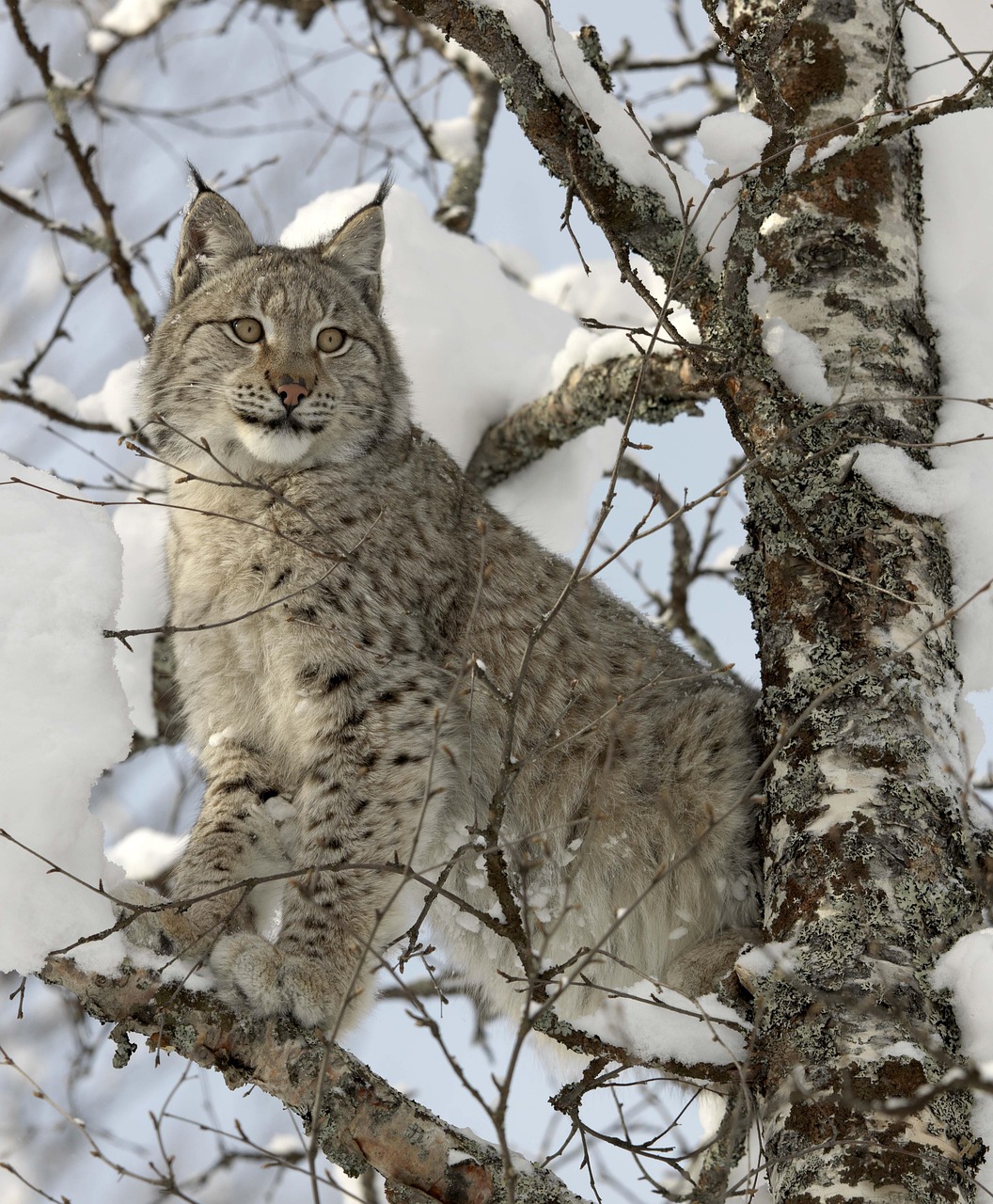
Camouflage is a masterful strategy in the animal kingdom, enhancing an animal’s ability to blend into their environment to evade predators or sneak up on prey. Animals like chameleons, octopuses, and stick insects can modify their skin color, texture, or shape to match their surroundings, a mesmerizing example of survival instincts in action. This technique not only highlights the evolutionary artistry but is crucial for their day-to-day survival.
Alarm Calls and Vigilance:
Communication is vital among animals, and alarm calls are a prime example of how survival instincts are communicated within a species. Species such as meerkats and prairie dogs use unique sounds to alert their group of approaching threats. This vigilant behavior coupled with a complex social structure allows the group to respond rapidly, whether by fleeing or mobbing the predator, thus enhancing their collective survival.
Reproductive Strategies:
Reproduction is a fundamental aspect of survival, and animal instincts play a crucial role in ensuring the continuation of a species. Some species like sea turtles return to their birthplace to lay eggs, an instinctive behavior ensuring their progeny are born in optimal conditions. Other animals display intricate mating dances or build elaborate nests to attract mates, thereby maximizing their reproductive success. Such behaviors guarantee that their genetic traits are passed down to future generations, securing the species’ long-term survival.
FAQs on Unveiling the Secrets of Survival: How Animal Instincts Ensure Their Safety:
Q1: How do instincts differ from learned behaviors?
A1: Instincts are innate behaviors that are performed correctly the first time without prior experience or instruction, whereas learned behaviors are acquired through experience or observation.
Q2: Can humans impact animal survival instincts?
A2: Yes, human activities such as habitat destruction, pollution, and climate change can impede natural instincts like migration and breeding, threatening species’ survival.
Q3: Are survival instincts always successful in ensuring safety?
A3: While survival instincts significantly increase the chances of survival, variables like habitat loss, predator efficiency, and human interference can sometimes lead to their failure.
Conclusion:
As we continue unraveling the secrets of survival: How animal instincts ensure their safety, it becomes evident that these instincts are both complex and fascinating. They not only enable animals to adapt to dynamic environments but also showcase the brilliance of evolutionary engineering. For us as humans, gaining a deeper understanding of these survival strategies can inspire innovative solutions to conservation challenges, helping us create a harmonious environment where both wildlife and humanity can thrive. Let us respect these instincts and ensure our actions support the survival of the myriad species that share our planet. After all, the richness of our biodiversity depends on the survival of each thread within the web of life.