


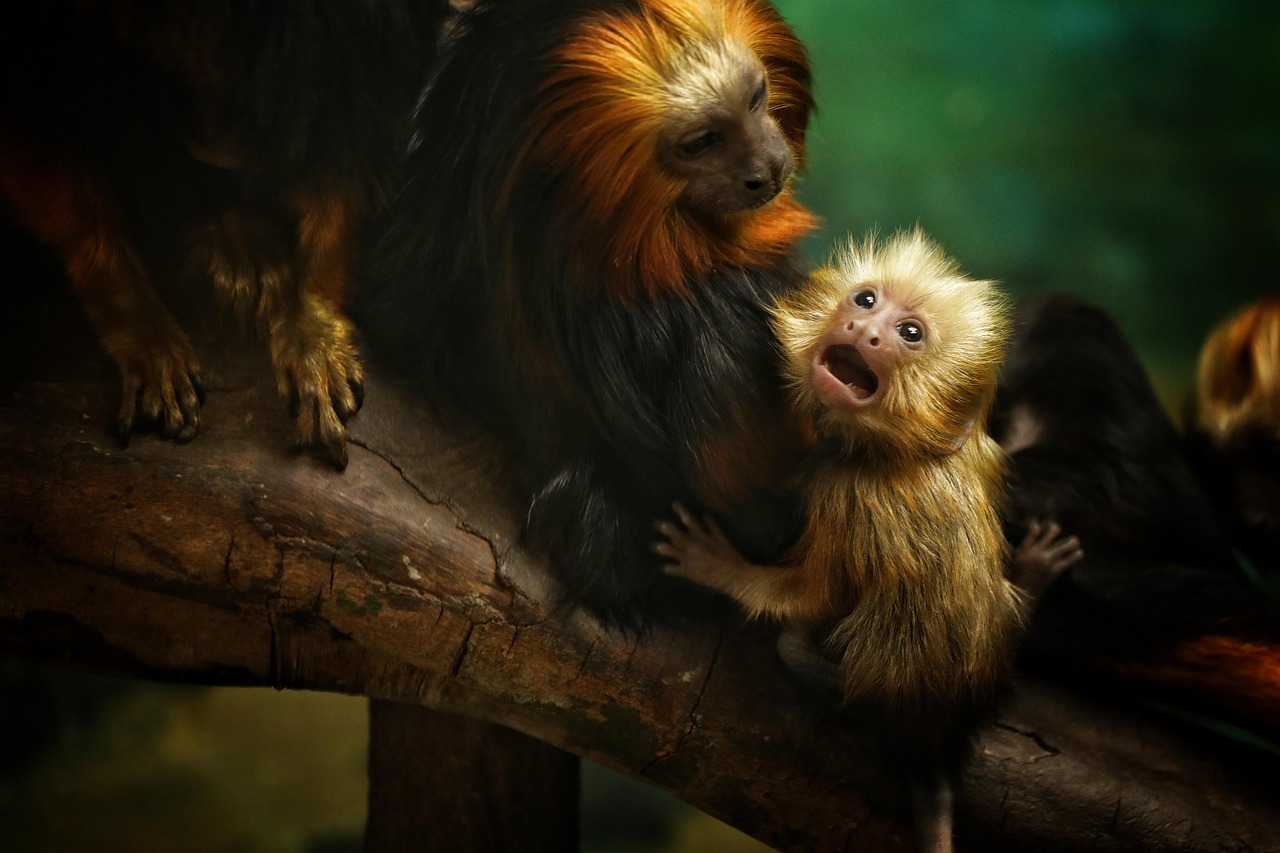
Exploring Social Behavior in Primates: Insights into Group Dynamics and Communication
Welcome to the fascinating world of primates, where intricate social behaviors, sophisticated group dynamics, and varied modes of communication captivate researchers and nature enthusiasts alike. Primates, ranging from the smallest lemurs to the great apes, including humans, exhibit a rich tapestry of interactions that are pivotal for their survival and reproduction. In this exploration, we delve into the core understanding of social behavior in primates, unpacking insights that shed light on everything from family bonds to conflict resolution strategies within groups.
Understanding the Social Fabric of Primate Societies
Primates are largely distinguished by their complex social structures. Species such as baboons, chimpanzees, and gorillas live in multifaceted societies, where relationships can be both collaborative and competitive. These social structures are crucial for the distribution of resources, mating opportunities, and group defense against predators or rival groups.
Social hierarchy is a predominant aspect of many primate groups. For example, gorilla social groups are typically led by a dominant silverback, a male who makes most of the decisions, from movement to mediation in conflicts within the group. Learning about these hierarchies in primates gives us insights into the evolution of social systems, including our own.
The Role of Communication in Maintaining Group Harmony
Communication in primates occurs through various channels: vocalizations, facial expressions, body postures, and even grooming. Each mode of communication plays a vital role in maintaining group dynamics and conveying important information such as the presence of food or approaching predators.
Vocalizations can be especially complex. Vervet monkeys, for example, use specific calls to denote the presence of different predators like eagles, snakes, or leopards, each inducing a different defensive strategy from the group. Similarly, the intricate use of gestures and facial expressions in chimpanzees helps to prevent conflicts and strengthen social bonds among group members.
Cooperation and Conflict: The Balancing Act
Social behavior in primates is not just about competition; cooperation is a significant element of their lives. Primates, such as bonobos and chimpanzees, show us the importance of alliances and cooperation. For instance, male chimpanzees often form coalitions to better their chances of moving up the social ladder or to defend their group against rivals.
However, where there’s close interaction, there’s also conflict. Primates have complex ways of dealing with internal and external conflicts. Some species resort to aggression, while others, like the bonobos, are known for their more peaceful methods, often using sexual behaviors as a means to reduce tensions and solidify peace.
Case Study: The Language of Capuchin Monkeys
To illustrate the complexity of primate communication further, let’s consider the capuchin monkeys, known for their intelligence and problem-solving abilities. Capuchins use a combination of vocalizations, facial expressions, and gestural signals to communicate. Studies have shown that they can even understand the concept of exchange and fairness, participating in trades and reciprocating favors, which highlights sophisticated cognitive abilities that underpin their social interactions.
Practical Insights from Studying Primate Behavior
Studying the social behavior of primates provides valuable insights into the basic principles that govern complex societies, including human ones. Lessons on conflict resolution, the role of cooperation, leadership dynamics, and communication can transcend the boundaries of species, offering us tools to better understand and manage social behaviors in human contexts as well.
FAQs on Exploring Social Behavior in Primates
Q1: Why is studying social behavior in primates important?
Studying primate behavior helps us understand the evolutionary foundations of human social structure, offering insights into biology, sociology, and psychology.
Q2: How do primates typically communicate?
Primates communicate through vocalizations, body language, facial expressions, and grooming. Each species has developed unique methods suited to their environment and social needs.
Q3: What can human societies learn from primates about group dynamics?
Human societies can learn about the balance between competition and cooperation, the importance of effective communication in leadership, and adaptive conflict resolution strategies.
Q4: Are all primate societies matriarchal?
No, primate societies vary widely. For instance, while bonobo societies are generally matriarchal, gorilla and many baboon societies are typically patriarchal.
Conclusion
The study of social behavior in primates, offering insights into group dynamics and communication, serves not only to enlighten us about our closest zoological relatives but also to mirror back profound lessons on our own social structures. From the cooperative spirit of bonobos to the disciplined hierarchies of gorilla groups, the primates continue to be a source of endless learning and fascination. As we advance in our understanding, let us draw on these insights to foster harmony and collaboration within our own societies, proving once again that we have much to learn from the natural world.