

Exploring Courage: Bravery Lessons from Wild Animals
When we think of courage, images of superheroes donning capes or historical figures battling formidable enemies often come to mind. However, bold feats of bravery aren’t limited to just humans. The animal kingdom is rife with incredible stories of courage and survival. Exploring courage through the lens of wild animals offers not only fascinating insights but also important lessons on bravery that we can apply in our own lives. In this post, we’ll delve deep into “Exploring Courage: Bravery Lessons from Wild Animals.”
What Is Courage in the Wild?
In the wild, courage can be seen as behaviors or actions taken by animals that involve risk while seeking to survive or protect others. These can range from facing a predator, overcoming environmental challenges, or defending their young. The concept of bravery in animals poses a profound question: How much of what we perceive as brave is instinct, and how much could we interpret as conscious choice? Though we cannot know for sure what goes through an animal’s mind, observing their responses in critical situations can shed some light on their protective and survival instincts which closely parallels human concepts of courage.
Vivid Examples of Bravery in Wild Animals
-
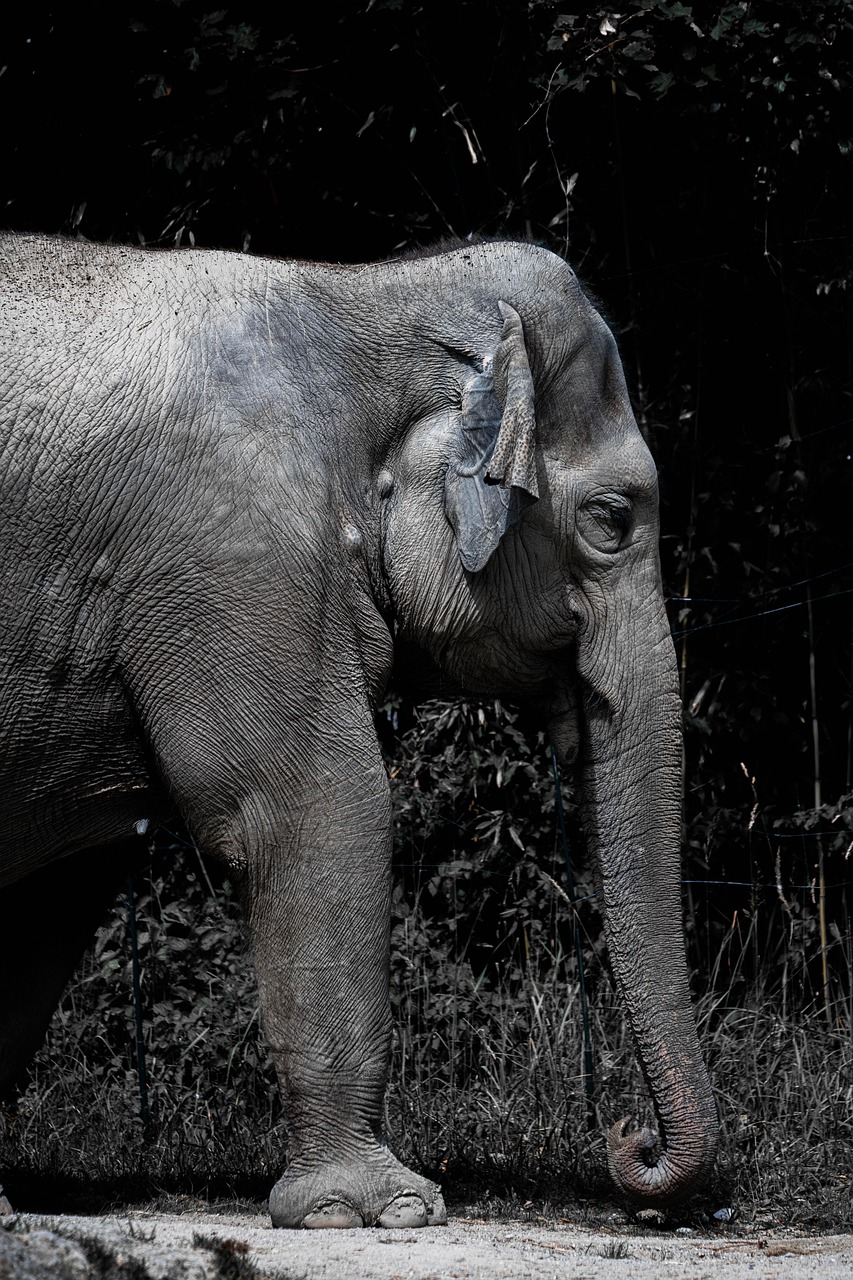
Elephants Protecting Their Young: Elephants are well-known for their strong familial ties and protective instincts. In circumstances where a calf is threatened, the entire family unit, led by the matriarch, forms a defensive barrier around the younger ones. This organized group defense is a powerful demonstration of courage focused on the preservation and safety of their offspring.
-
Mongoose Versus Cobra: One of the most striking displays of raw courage is seen in the mongoose. Known for their ability to fight and kill venomous snakes such as cobras, mongooses are particularly noted for their speed and agility. Though much smaller in size, their determination and skill in taking down a formidable adversary are truly inspiring.
-
Meerkats’ Vigilance: Living in the harsh environments of the African savanna, meerkats demonstrate courage through their complex social structure and vigilant behavior. Always alert to the presence of predators, one or more meerkats stand guard while others forage or play, showing a collective bravery where the safety of the group is placed above the individual.
Courage Lessons We Can Learn from Wild Animals
1. Facing Fears: Just like the mongoose standing up to a cobra, we, too, can learn to stand up against the seemingly insurmountable challenges in our lives. It’s about assessing risks but not allowing the size of the challenge to deter our efforts.
2. Unity is Strength: Similar to how elephants protect their young, humans can draw immense strength from unity. In moments of crisis, coming together can often provide the combined strength needed to overcome obstacles.
3. Always Be Prepared: The constant vigilance of meerkats teaches us the importance of being prepared. Staying aware of our surroundings and being ready to act can help us manage unexpected situations more effectively.
4. Perserverance Pays Off: Observing any predator in action, like a lion hunting its prey, reveals the importance of persistence. Despite multiple failed attempts, they continue until they achieve what they set out to do. This can be a metaphor for pursuing our goals with similar tenacity.
Frequently Asked Questions
Q: Can animals really feel brave?
A: While it’s difficult to ascertain exactly what animals feel, observations suggest that their actions mirror what humans would call bravery or courage, mostly influenced by instinct and the drive to survive.
Q: How can watching wild animals inspire us?
A: Observing wild animals can highlight basic survival instincts and remind us of the fundamental virtues of courage, resilience, and perseverance that are also applicable in human endeavors.
Q: Are there any specific documentaries or resources where I can see these acts of bravery?
A: Nature documentaries such as those from National Geographic or BBC Earth often feature compelling footage of animals displaying courageous behaviors. They provide a great visual supplement to these stories of survival and bravery.
Conclusion
“Exploring Courage: Bravery Lessons from Wild Animals” not only fascinates us with the sheer instinctual responses seen in nature but also mirrors many aspects of human bravery. By looking at these wild creatures, we are reminded that courage is a universal trait, necessary for the survival and thriving of all species. Their actions inspire us to adapt similar virtues in facing our daily human challenges – ultimately showing that bravery knows no bounds, whether in the wild or within ourselves.
Through these animals, we see mirrors of our own societies and personal battles. Thus, let’s take to heart the bravery lessons from wild animals and acknowledge our own potential to be just as courageous in our lives.