


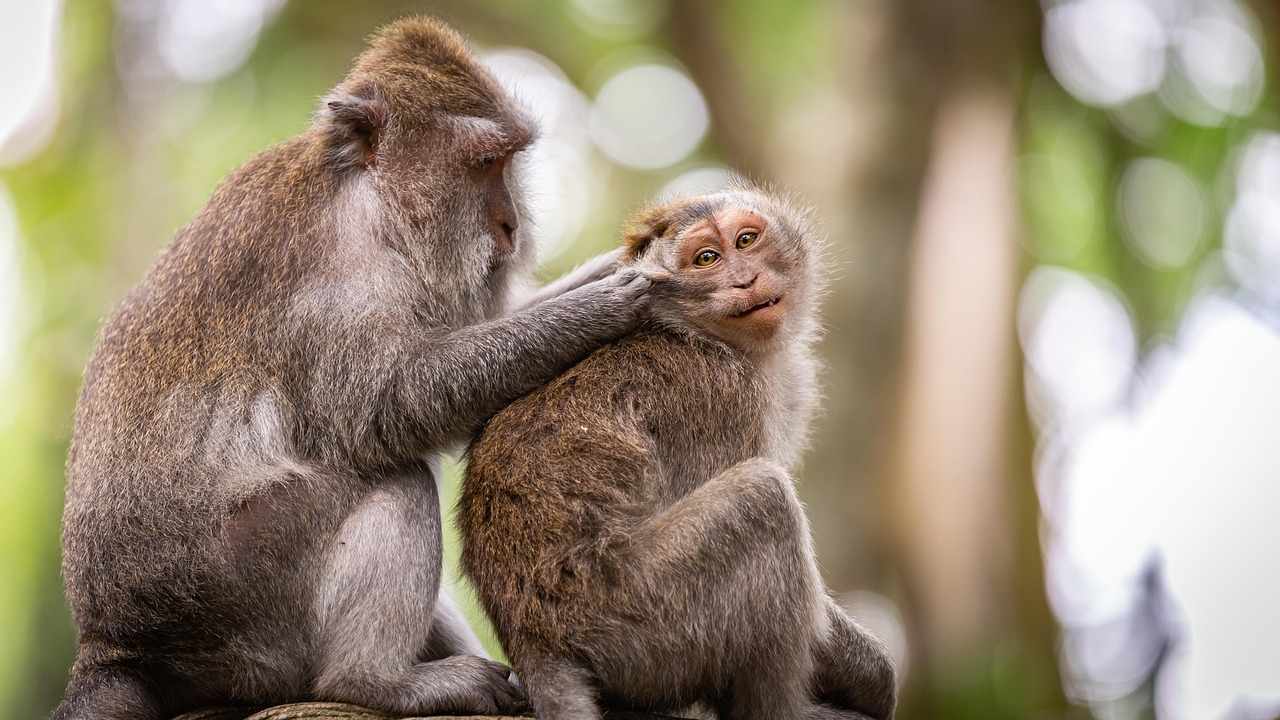
Learning Flexibility: Key Adaptability Lessons from the Animal Kingdom
Introduction
When faced with ever-changing environments, learning flexibility becomes a crucial survival skill. This truth holds not only for humans but throughout the animal kingdom. In this deep dive, we explore how Learning Flexibility: Key Adaptability Lessons from the Animal Kingdom can offer us profound insights. From the shifty chameleon to the resourceful crow, nature’s residents teach us not only to survive but thrive by adapting to new challenges effectively.
Understanding Learning Flexibility Through Nature’s Lens
Adaptability, as illustrated by countless species, is about more than survival—it’s about thriving under any circumstances. Let’s examine some fascinating instances of learning flexibility in the animal world and draw key lessons applicable to our human endeavors.
1. The Chameleon’s Change: A Lesson in Rapid Response
Chameleons are renowned for their ability to change skin color, a perfect metaphor for adaptability. This capability is not just for camouflage. It reflects their response to mood, temperature, and communication needs. Learning Flexibility: Key Adaptability Lessons from the Animal Kingdom shows us that like the chameleon, we too must adapt swiftly to our changing environments—be it pivoting in career paths or adjusting to new social dynamics.
2. The Octopus: Master of Escape
Octopuses exhibit remarkable escape artistry, squeezing through minuscule gaps and evading predators. Their environment is a puzzle constantly solved through trial and error, refined over time. Similarly, humans can learn from the octopus by becoming problem solvers, honing our ability to think quickly, and adapt our strategies when first approaches fail.
3. Crows: The Innovators
Crows are the engineers of the avian world, known for their problem-solving skills and ability to use tools. Their flexibility in learning enables them to interact with complex elements of their environment. In our human context, embracing innovation and using the tools at our disposal can enhance our adaptability, enriching our professional and personal lives.
4. Wolves: Strategic Team Players
Wolves hunt in packs, displaying coordinated strategies that depend on the dynamic roles of individual members. This fluid social structure enhances their adaptability. For humans, the wolf pack emphasizes the importance of teamwork and flexibility in roles, vital for success in any collaborative endeavor.
SEO Keywords to Integrate:
- Learning Flexibility
- Adaptability Lessons
- Animal Kingdom Adaptation
- Innovative learning strategies
- Teamwork and adaptability
FAQs:
Q1: What is learning flexibility?
A. Learning flexibility refers to the ability to adapt one’s behavior and thinking to new, changing, or uncertain circumstances—a crucial skill both in the animal kingdom and for humans.
Q2: Can these animal lessons be applied in a workplace?
A. Absolutely! Concepts such as rapid response (like the chameleon), innovative problem solving (as seen in crows), and adaptable teamwork (as practiced by wolves) are all highly beneficial in a work environment, particularly in dynamic industries.
Q3: How can I improve my learning flexibility?
A. Enhance your learning flexibility by stepping out of your comfort zone, embracing new experiences, and practicing different problem-solving methods. Be observant and learn from each situation, similar to how octopuses learn through trial and error.
Q4: Are there specific activities that can help in learning flexibility?
A. Engaging in diverse activities—from strategic games and puzzles to learning new languages or skills—can all help develop higher adaptability. Also, interaction with diverse groups of people can provide new perspectives and enhance flexibility.
Conclusion
The animal kingdom, with its myriad survival strategies, offers rich lessons in adaptability that can be translated into human contexts. From chameleons to wolves, each creature adapts uniquely to its environment, showcasing what can be termed as high learning flexibility. By observing and integrating these lessons, we can enhance our own ability to navigate life’s uncertainties with greater ease and success.
As we continue to explore and learn from these incredible animals, let’s remember that the capacity for learning flexibility is not just about surviving—it’s about thriving. Emulate the resilience and adaptability found in the natural world, and watch as new doors open in unexpected ways. Stay curious, stay adaptable, and most importantly, never stop learning.