


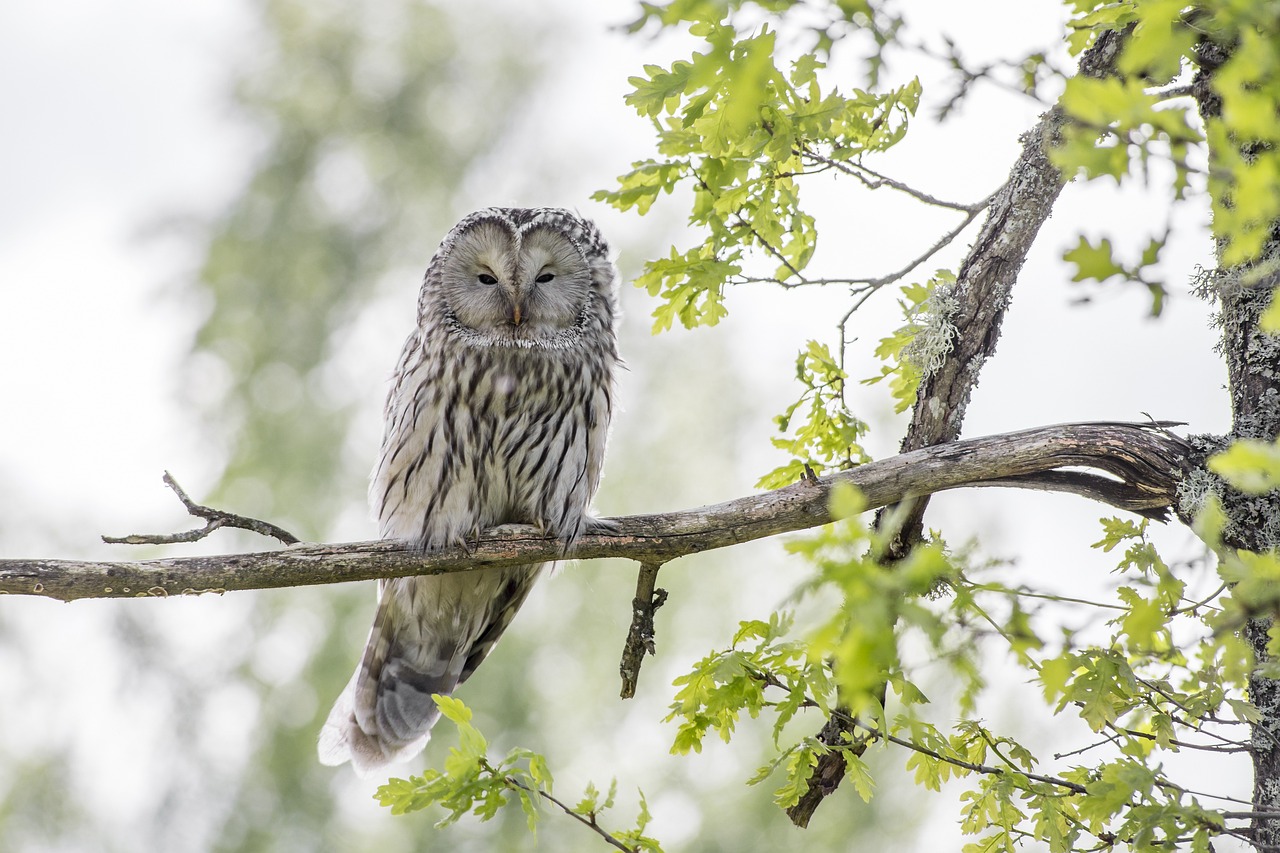
Exploring Animal Intelligence: Insights into the Smartest Creatures in Nature
When we think about intelligence, our minds often draw straight to fellow humans or perhaps beings from another world as popularized in sci-fi. However, Exploring Animal Intelligence: Insights into the Smartest Creatures in Nature opens up a captivating world that reveals the cognitive prowess of Earth’s own fauna. This journey not only reshapes our understanding of intelligence but also highlights the remarkable ways animals adapt to their environments using their mental capabilities.
Introduction to Animal Intelligence
Intelligence in animals manifests in various forms, ranging from problem-solving skills and communication to emotional expressions and social interactions. Scientists have developed numerous methods to measure these capabilities, yet comparing intelligence across different species remains challenging due to their unique adaptations and survival strategies. In Exploring Animal Intelligence: Insights into the Smartest Creatures in Nature, we delve into examples of astounding animal intellect that challenge our human-centric view of smarts.
What Constitutes Intelligence in Animals?
Animal intelligence refers to a creature’s ability to process information, react to their environment, remember experiences, and communicate. These capabilities can be observed in numerous species, demonstrating that intelligence is not solely the province of humans but a widespread trait across the animal kingdom.
The Smartest Creatures in Nature
-
Cetaceans (Dolphins and Whales)
Dolphins, especially bottlenose dolphins, are renowned for their problem-solving abilities and complex social structures. They use echolocation to navigate and hunt in the murky waters. Their communication skills are advanced, with distinct calls that may represent individual names. Whales, including the orca or killer whale, display sophisticated hunting techniques and emotional depths, forming close-knit family bonds that last lifetimes. -
Great Apes (Chimpanzees, Bonobos, Gorillas, and Orangutans)
Close relatives to humans, great apes exhibit significant intelligence. Chimpanzees use tools, such as sticks to fish for termites and rocks to crack nuts, showcasing their understanding of problem-solving techniques. Orangutans have been observed using leaves as gloves to handle prickly fruit or as umbrellas for rain protection. These actions point not only to intelligence but also to an understanding of future needs and planning. -
Elephants
Known for their impressive memory and emotional depth, elephants exhibit behaviors that suggest mourning, joy, and even empathy. Their ability to use tools, such as branches for fly swatters, highlights their problem-solving skills. Communication among elephants is complex, involving seismic signals and low-frequency sounds that travel long distances. -
Corvids (Crows and Ravens)
Corvids are often highlighted in discussions of avian intelligence. These birds can solve multi-step puzzles, mimic human speech, and even hold grudges. Ravens use gestures to communicate, a trait once considered uniquely human. Their ability to plan for future needs, such as storing food in various places for later use, emphasizes their advanced cognitive abilities. -
Octopuses
Entering the marine world, octopuses surprise with their mischief and wit. These invertebrates can navigate mazes, open jars, and use coconut shells as portable shelters, indicating problem-solving skills and tool usage. Their solitary nature and short lifespan make their cognitive abilities particularly impressive, suggesting rapid learning and adaptation.
FAQs: Delving Deeper into Animal Intelligence
-
Q: Can animals like dogs and cats understand human emotions?
A: Yes, domestic animals such as dogs and cats can read human emotions. Dogs can recognize changes in tone and body language, while cats may respond to vocal cues and facial expressions. -
Q: Are there any benefits to studying animal intelligence?
A: Studying animal intelligence helps us understand more about human cognition and the evolution of intelligence. It also fosters greater empathy towards animals and can improve welfare standards. -
Q: How do animals display intelligence differently?
A: Different species showcase intelligence uniquely; for example, dolphins communicate with complex vocalizations, while crows exhibit problem-solving through tool use. These variations reflect adaptations to their environments and survival strategies.
Conclusion
Exploring Animal Intelligence: Insights into the Smartest Creatures in Nature not only broadens our understanding of what it means to be intelligent but also deepens our appreciation for the natural world. By recognizing the cognitive feats of animals, we gain insights into the diversity and intricacies of intelligence beyond our human constructs. This understanding can bridge the gap between species, fostering a more empathetic and conservational approach to our interactions with nature.
In conclusion, the journey through the landscape of animal intelligence isn’t just about ranking smarts; it’s about understanding life from a broader, more inclusive perspective. As we continue to discover astonishing facts about animal intelligence, we pave the way for a deeper connection with the world around us, driven by both curiosity and respect.